If homesickness is the yearning for the comfort of the familiar, Fernwayer fuels the opposite desire. A curated marketplace for rare, private day tours and experiences, it takes its name from the German word Fernweh – a longing for places not yet known.
Fernweh is a feeling that Fernwayer co-founders Vinitaa Jayson and Alok Singh know well. They both left senior corporate careers to launch a company in 2024 around a more meaningful model of travel. Fernwayer is not a travel agency. It does not sell flights or book hotel suites, nor is it built around first-class lounges or seamless transfers. The luxuries it offers are immersive human connections.
“We focus on the part of travel that people remember years later, which is the people they meet, the stories they hear and the perspective that changes how they see a place,” says Jayson, who honed her business acumen over two decades with Procter & Gamble, leading teams and operations across continents. “Underneath all my years in the corporate world, I’ve always been a storyteller. I care about building bridges, and I care deeply about what connects people across their differences – which is also what we believe the best travel can do.”
To make those connections, Fernwayer co-creates experiences with photographers, fishermen, artisans, historians, chefs, architects, naturalists – people deeply tied to place. These storytellers and “experience makers” are not simply hand-picked as guides; Fernwayer works with them to shape experiences around their knowledge, passions and perspective. The result is not a generic tour, but a carefully structured encounter with depth, access and context that can be booked instantly.
“These encounters existed, but rarely as products people could easily discover, trust and book,” says Singh, whose career has involved solving hard problems and building systems and partnerships that work, at companies such as Hewlett-Packard. “Fernwayer was built to change that – to make rare human encounters more accessible at scale without flattening their humanity or stripping them of intimacy or authorship.”
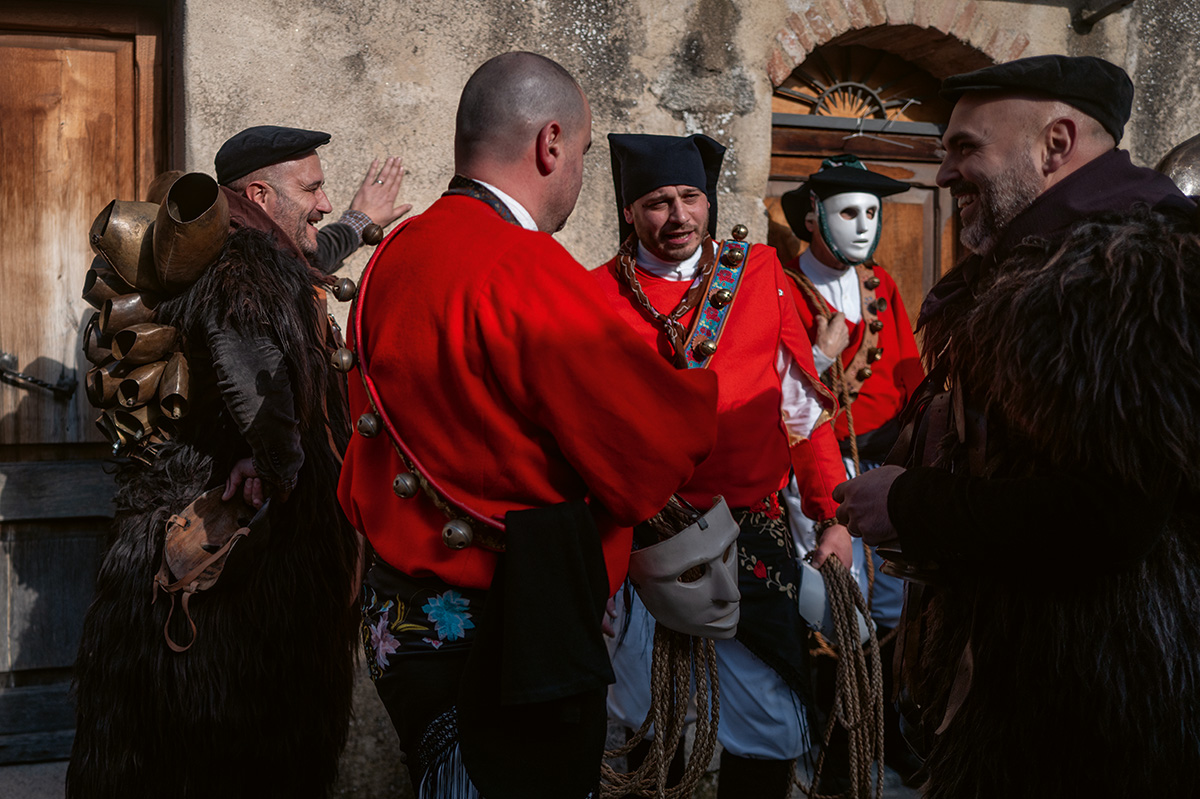
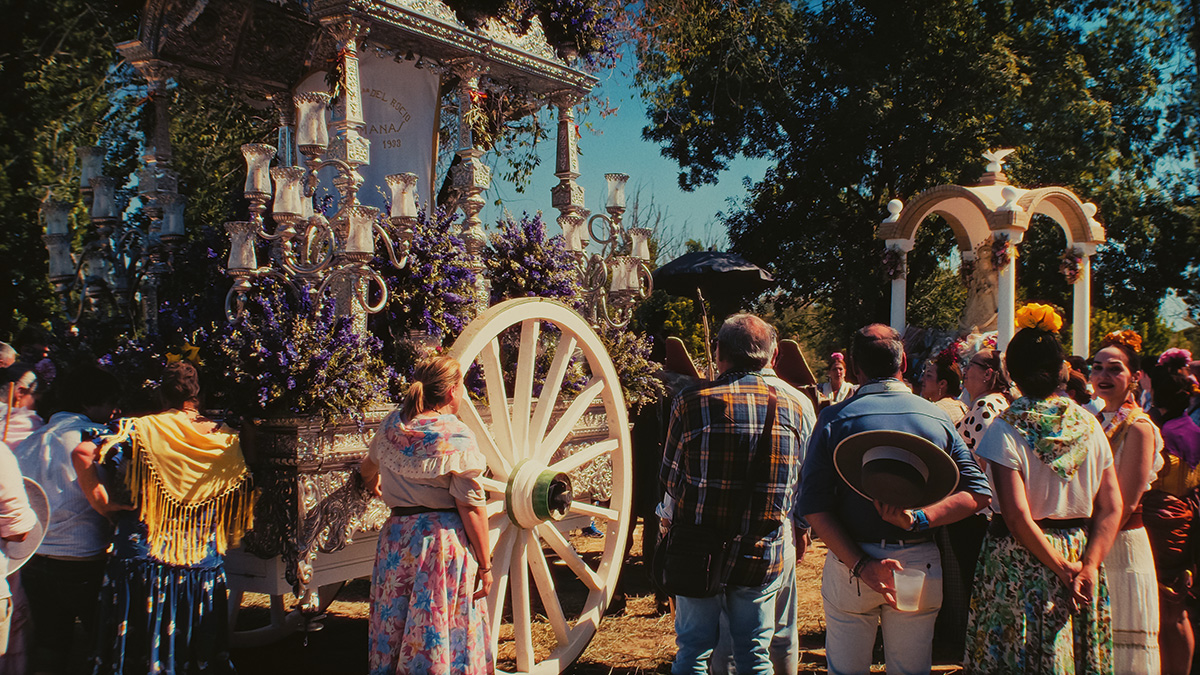
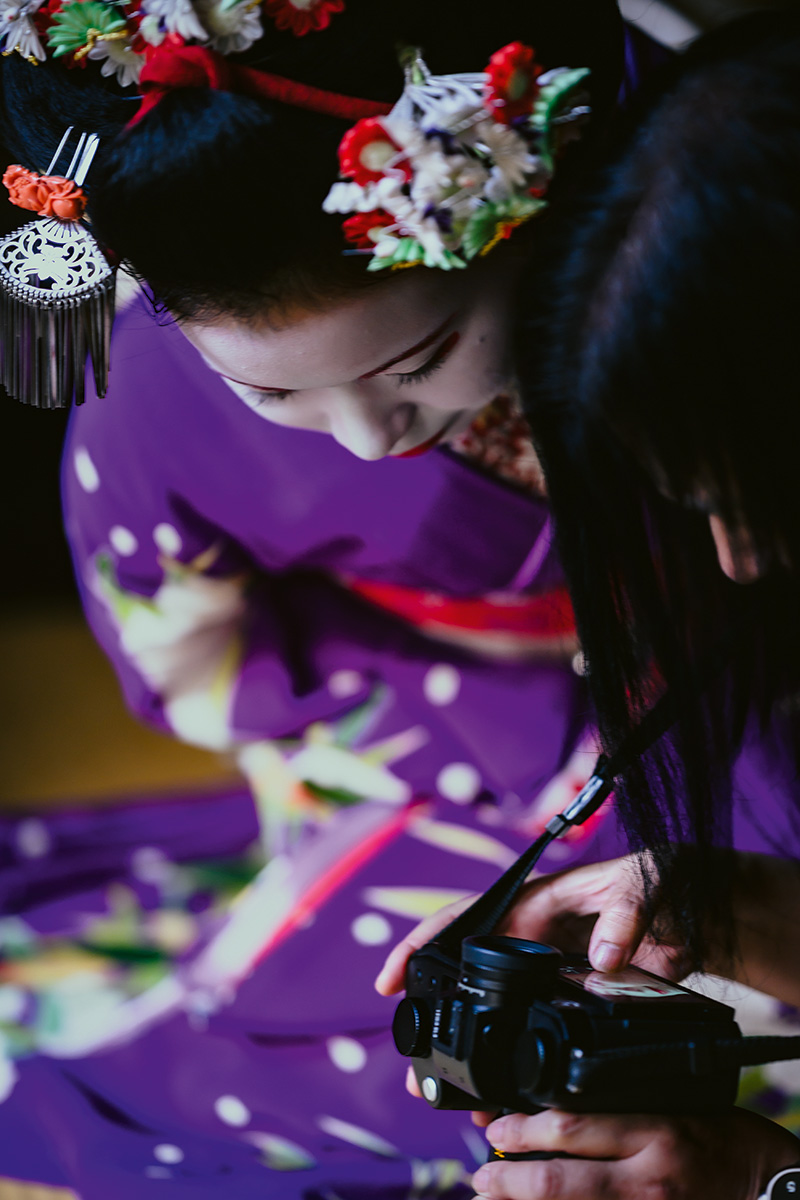
The range is vast – more than 700 experiences across 14 countries – but what unites them is a commitment to living culture, rather than generic tourism. Guests might join a local brotherhood for a day of the El Rocío pilgrimage in Andalusia, visit a historic shrine in Kanazawa with a 26th-generation Shinto priest, gain a deeper understanding of the Acropolis through layers of history erased from view, spend time with a master of UNESCO-recognised Karagöz shadow puppetry in Istanbul, or engage in a real skills exchange in Fes that turns travel into reciprocity.
Many of the trips on offer have been influenced by Jayson and Singh’s own travels. One of those formative experiences came during a visit to Papua New Guinea. After being dropped off at a remote airstrip to visit a tribe, they discovered that the entire village had turned up to greet them. “I will always remember the feeling of being received with genuine intimacy into their world,” says Jayson. “It was a profoundly human encounter, and it shaped one of our values at Fernwayer – what we call ‘welcomingness’ – warmth and friendliness in the most unfamiliar of places.”
For Jayson and Singh, Fernwayer is about changing the way people approach travel, which is too often dominated by logistics – flights, transfers, accommodation – rather than the experiences and human connections that give a trip meaning. “The core of travel is to meet people, to immerse oneself in the culture, and to see a place through those who know it best,” says Singh.
Jayson points out that, across an entire lifetime, a person might work around 2,000 weeks but only go on 25 or 30 holiday trips, which is “why the experience layer matters so much,” she says. “Most high-end travellers can sort out their own logistics. What they do not always have is the time, local access or trusted context to uncover the handful of experiences that will actually define the trip.”
While Fernwayer continues to expand into new countries and offer an even greater range of experiences, sustainability is central to its model. More than 80 per cent of the value of each booking goes directly to the experience maker and local collaborators. In this way, the company aims to help traditions, livelihoods and knowledge systems remain visible, valued and viable.
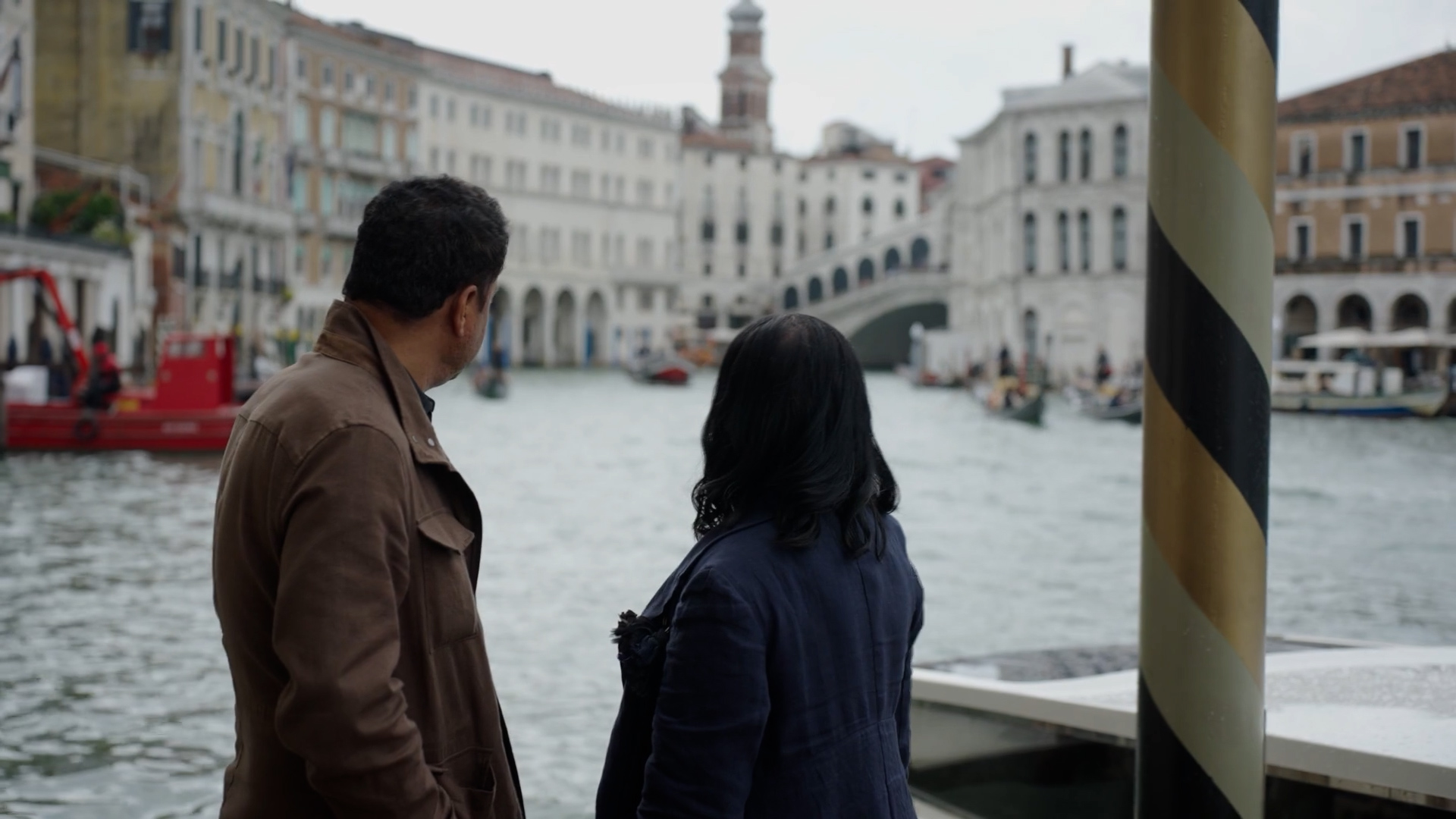
In Xochimilco, for example, that means supporting a living wetland system shaped by ancestral farming, conservation, and efforts to help the axolotl salamander return to its natural habitat; in Lisbon, it means helping sustain a community-rooted creative centre for older women; and in Venice, it means discovering the lagoon with a fourth-generation fisherman whose knowledge of its wildlife, fishing practices and fragile ecology helps preserve that world. “We value the people who sustain these ways of life, and we want to ensure that travellers see them and understand their significance,” says Jayson. “Admiration alone cannot preserve a craft. Fair value is what helps sustain both the people and the traditions.”
For Jayson and Singh, this is the larger point: Fernwayer is not simply offering remarkable experiences; it is making the case for a more curious, more human and more transparent kind of travel – one built around exceptional people, real stories and cultural depth that tourism often misses. “It is a proposition built around hope and optimism,” says Singh, “that when travel is shaped by local knowledge, generosity and genuine encounter, it can widen perspective, deepen understanding, and leave both travellers and local communities with something of lasting value.” In that sense, it becomes more than tourism alone – it becomes an opening to cultural exchange and mutual respect.
Visit Site