In February 2026, BBC soap opera EastEnders aired a storyline in which Davinder “Nugget” Gulati (played by Juhaim Rasul Choudhury) grappled with a diagnosis of epilepsy. The producers went to great lengths to depict the story as faithfully and sensitively as possible, enlisting the help of the leading UK charity in the field – the Epilepsy Society.
The organisation was founded in 1892 in Chalfont St Peter, Buckinghamshire, originally to pioneer an alternative to workhouses and asylums for people with epilepsy. Today, its vision is to be at the forefront of research and medicine, and ensure future generations are free from the life-changing effects of the condition.
It is estimated that one person in every 100 has epilepsy, but lack of funding has meant slow progress in developing treatments. The challenge that was identified by Epilepsy Society founder Sir William Gowers – that around one third of people with epilepsy experience seizures that doctors are unable to control – is still the case, 134 years later.
However, soap opera storylines, royal patronage from King Charles III and advocates such as England rugby player Tommy Freeman and backbench Labour MP Rosie Wrighting have helped educate wider society about epilepsy and destigmatise the condition. “There’s been a lot of lovely feedback on the EastEnders storyline,” says Clare Pelham, Chief Executive of the Epilepsy Society. “People have said it has made it easier for them to discuss their epilepsy with friends, teachers, employers – and particularly with potential boyfriends or girlfriends.”
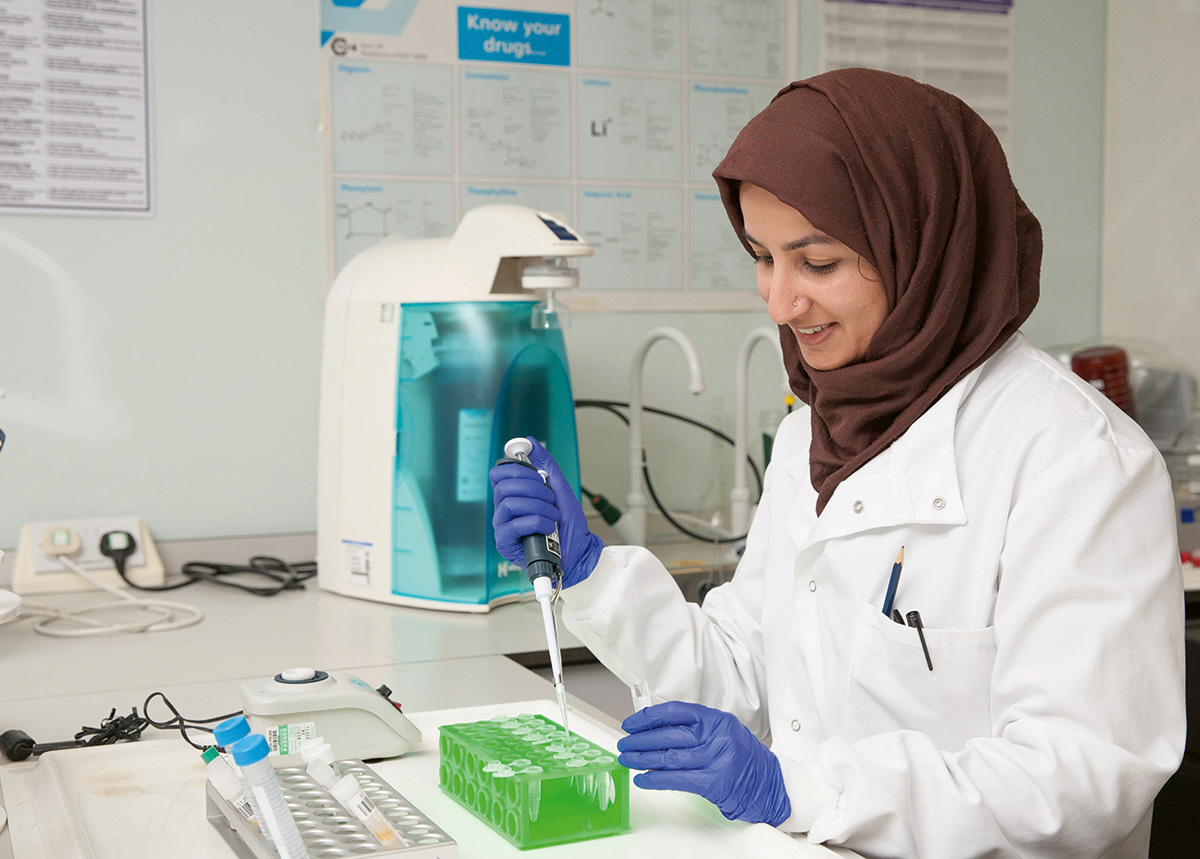
It is now the world’s leading epilepsy research organisation, having partnered with University College London and UCLH. “Our research programme is driven by what people with epilepsy want researched,” says Pelham. “People were telling us they were getting more seizures in heatwaves. So, we’ve been conducting a lot of research, looking at changes in temperature and how they affect wellbeing.”
The Epilepsy Society has bold ambitions, pushing forward with person-centred research, coupled with advocacy that spreads the message throughout the world. “The people who set up the Society were real radicals,” says Pelham. “They rejected everything about the way that medicine was dealing with epilepsy and said, “There has to be a better way.” We hope that we are providing that better way.
Visit Site