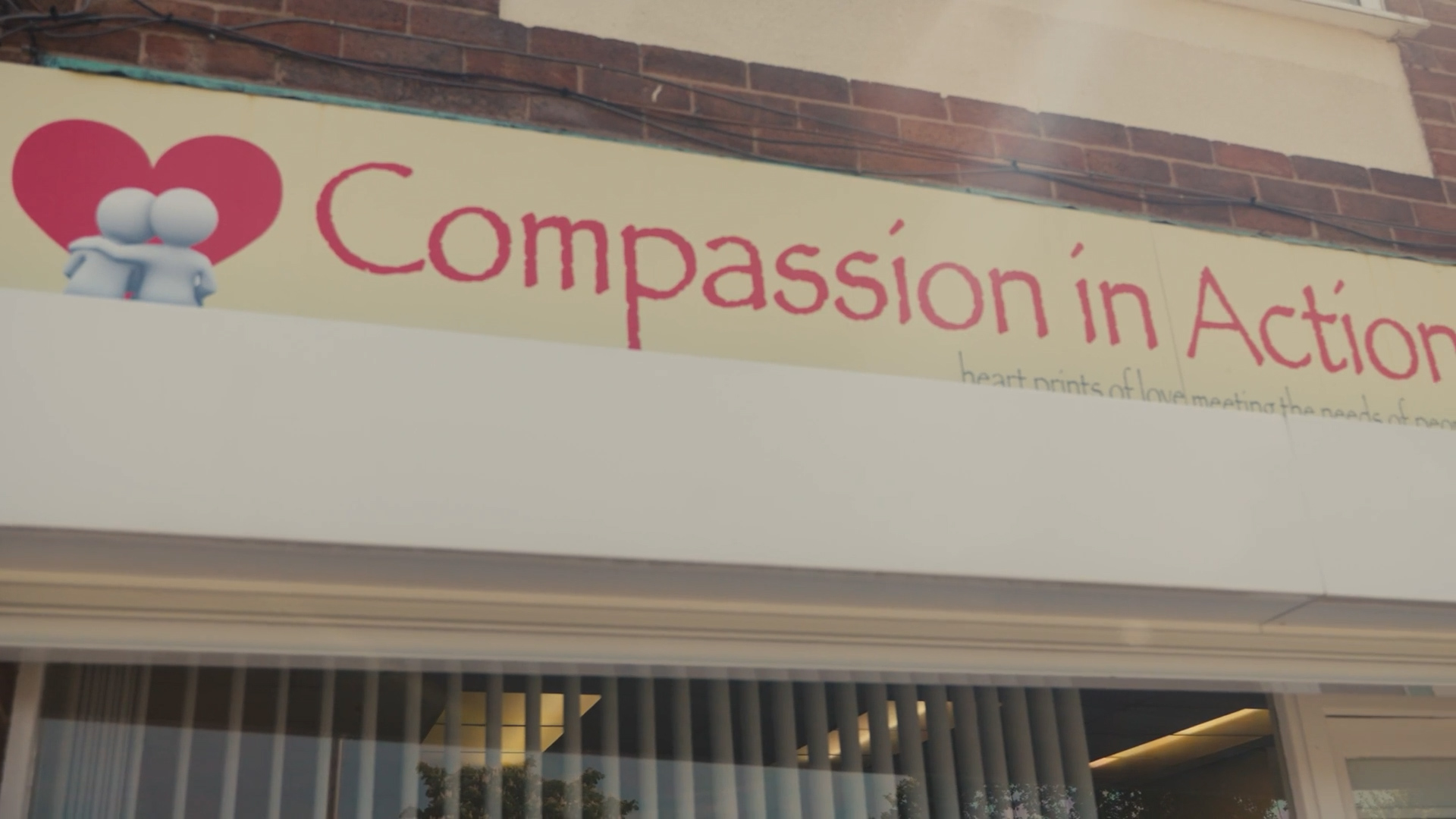
After achieving her vision of whole-person care nearly two decades into her leadership journey, Compassion in Action’s CEO and founder Pam Gilligan is clear on the next step. Her goal is to be heard in Parliament, where she intends to share her evidence-based blueprint for how an empowered third sector can meet the physical, practical, social and non-clinical mental health needs of people in crisis nationwide. “Compassion in Action, through its exemplary governance, inclusive and collaborative approach to service development, and commitment to excellence, has consistently proven that commissioners, community leaders and politicians alike can back us in good faith,” says Gilligan.
“We are not a fringe organisation that just helps the public sector. Rather, we are the first-choice provider of pioneering services that give hope to some of the most vulnerable people in our society. Our blueprint, particularly in the field of non-clinical mental health, is so influential it is spoken about by senior NHS leaders and government officials. Now, we need to formalise those discussions by making representation in the House of Commons.”
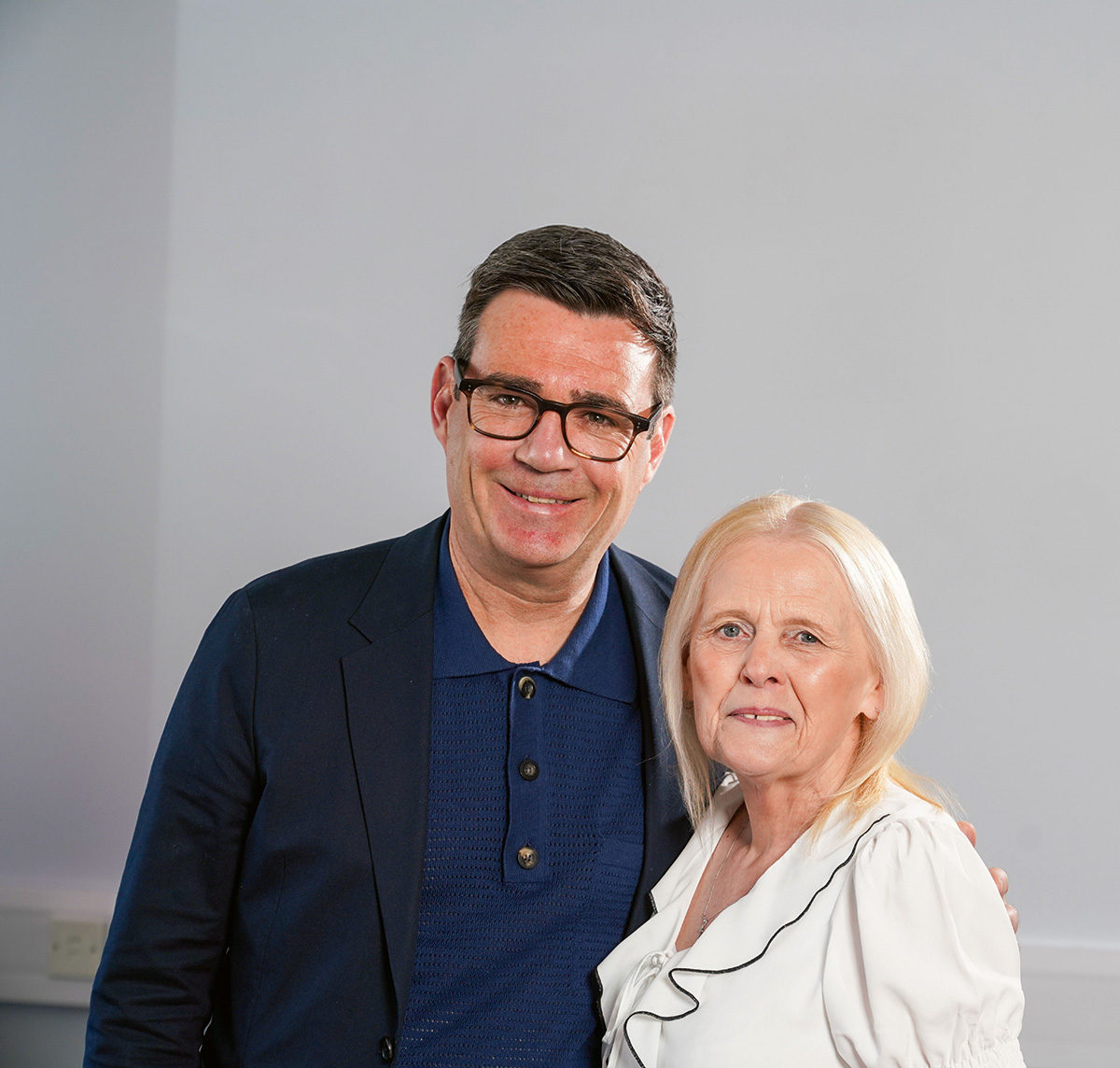
The road to Westminster is one of bold, sustainable action for Gilligan, who founded Compassion in Action in 2006. What began as a community coffee morning in a church hall in Lowton, Wigan, soon spanned multiple sites and counted Greater Manchester Mayor Andy Burnham among its patrons. Since 2010, it has been recognised with numerous awards. These include The Queen’s Award for Voluntary Service in 2014 and, recently, Charity of the Year at the Wigan Borough Business Awards 2025, with Gilligan winning the Lifetime Achievement Award at the Wigan Business Awards 2025. Indeed, her ability to inspire belief and support in influential figures, as well as her “stronger together” philosophy, has proven that united communities can make a difference. More than 50 GPs backed Gilligan’s vision for a new, groundbreaking non-clinical mental health service, delivered via therapeutic wellbeing centres, which helps people address the circumstantial reasons for their anxiety and depression. To date, more than 8,000 people have accessed the service. They are never discharged and can access “top-up” support, helping to prevent crisis.
A critical component of the charity’s leadership strategy is transparency, with the impact of all commissioned services – from furniture provision to sessional, day and residential mental health support – documented in full in reports. “We have the faith of the people, but that is based on hard facts,” says Gilligan. “We give out over 3,000 toys in our annual Christmas appeal, and we know down to the household where those donations go. In this way, we marry the transparency and accountability of the corporate world with the heart and soul of charitable giving.”
Accountability also comes in the form of a Trust Board and its independent experts who can give advice. From HR and accounts to health and safety, the charity outsources its corporate functions to guarantee impartiality. “This is a standard of governance that, we are told, far exceeds the Charity Commission’s requirements, but we accept nothing less than the gold standard,” says Gilligan.
Whether attending networking events or welcoming guests to the charity’s headquarters, Gilligan leads from the front. She never uses PowerPoint, believing in speaking from the heart instead. “When your team follows and supports your vision and mission, and you are professional and accountable, you become unstoppable,” says Gilligan. “My message to Parliament is to empower people to be the saviours of their own communities.”
Andy Burnham is one leader who already recognises the power of the third sector. After Compassion in Action was named Charity Business of the Year at the 2024 Greater Manchester Chamber of Commerce Excellence Awards, he wrote heartfelt congratulations to Gilligan and her team. In his letter, he praised their philosophy of whole-person care, adding that Compassion in Action is a “key contributor” in helping address poverty and inequality and is “helping the people of Leigh and its surrounding areas live better lives”.
A few months earlier, in September 2024, Compassion in Action had received a letter of support from Dr Gen Wong, Leigh Primary Care Network Clinical Director. He began by outlining the huge challenges experienced in the Leigh area, where just ten GP practices care for 59,000 patients in one of the most deprived parts of the country. Consequently, many patients were experiencing mental health issues, with unmet needs due to funding and an overwhelmed NHS service. Leigh’s residents, however, can turn to Compassion in Action. “Leigh GP practices have been using Compassion in Action since August 2023 to help support our mental health patients going through a range of mental health difficulties,” wrote Dr Wong. “Our experience of using their service so far is nothing short of exemplary.”
Dr Wong went on to praise a seamless referral system and “regular dialogue between them and general practice to ensure quality of the whole pathway is maintained” with any challenges dealt with quickly and effectively due to the organisation’s “collaborative-working mindset” and “patient first” attitude. “There had been a lot of positive feedback from GP practices and patients,” he wrote, with the service working within its area of competence and remit. This endorsement was unequivocal in its conclusion. “Leigh general practice considers Compassion in Action an essential part of their management strategies. It’s a service GPs could count on to deliver. In an increasingly pressured NHS, that is not a statement that could easily be said.”
Speaking in the House of Commons in May 2025, the Secretary of State for Health and Social Care, Wes Streeting MP, also thanked the charity for easing pressure in GP services. “At the heart of our approach to health is a recognition that Government action is essential for improving health outcomes in the country, and that Government acting alone will not be sufficient,” he stated. “That is why working with the voluntary sector, employers, trade unions, community groups and all of us as individual citizens is vital for tackling health inequalities and improving care in our country.”
Visit Site